Join us for dinner at Cornelia on Thursday and Friday evenings! Visit buffaloakg.org/dining to book your reservations.
Through Sunday, May 26, 2024Jeffrey E. Gundlach Building
Join us every Thursday evening in the Wilson Town Square for FREE live musical performances!
Join us every Friday in Studio A for drop-in artmaking activities!
The Buffalo AKG is asking for your selfies, new or old, with Shark Girl. Casey Riordan's whimsical Shark Girl was placed at Canalside in 2014 as one of the very first projects ever undertaken by the Buffalo AKG's Public Art Initiative. Help us as we prepare to celebrate ten years of AKG Public Art!
Members get the best access to the AKG and special opportunities to create deeper connections with the collection. Enjoy unlimited free admission, guest passes, invitations to exclusive members’ previews and events, and more!
Trace the evolution of the museum’s campus, from groundbreaking for our first building in 1900 to building the future Buffalo AKG Art Museum today.
Do you want to search the collection?
There’s a lot to see here. If you need help refining your results, try putting quotation marks around full names or phrases (e.g., “Cindy Sherman” or “Abstract Expressionism”), or click on “ALL” to filter your search by artist or title.
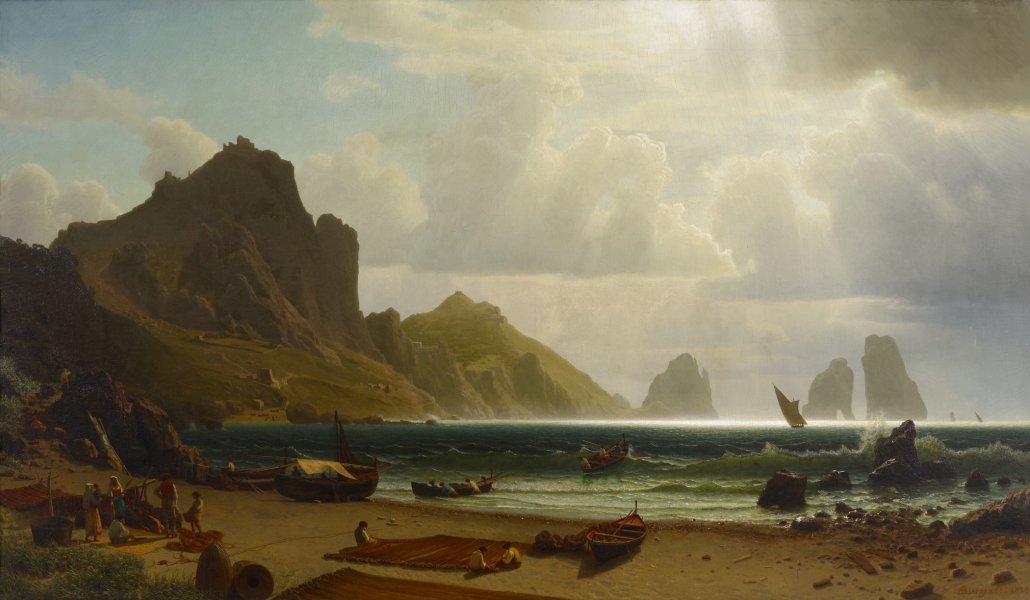
Albert Bierstadt
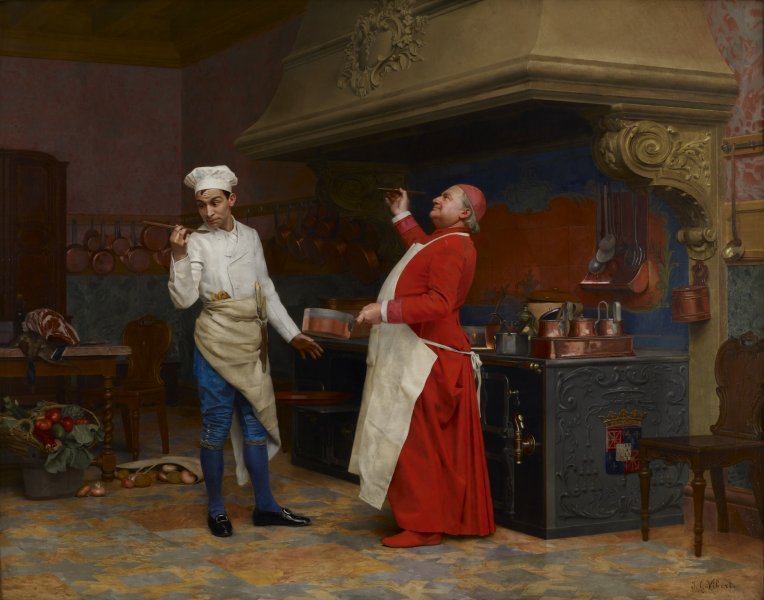
Jehan Georges Vibert
George Inness, Sr.
No image available,but we’re working on it
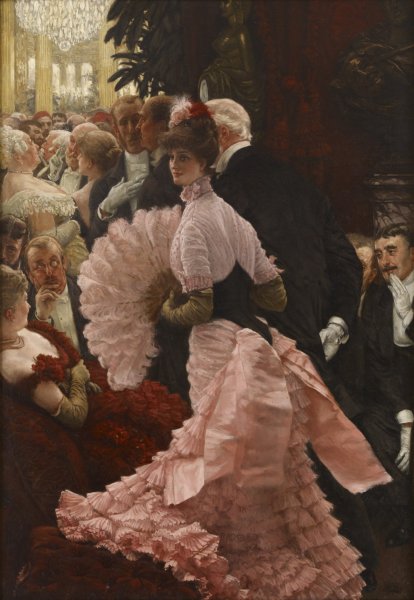
James Tissot
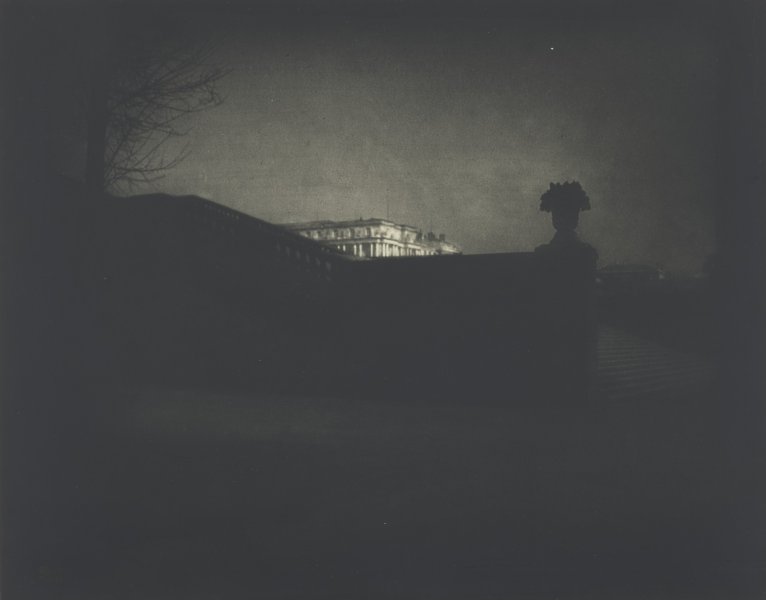
Edward Jean Steichen
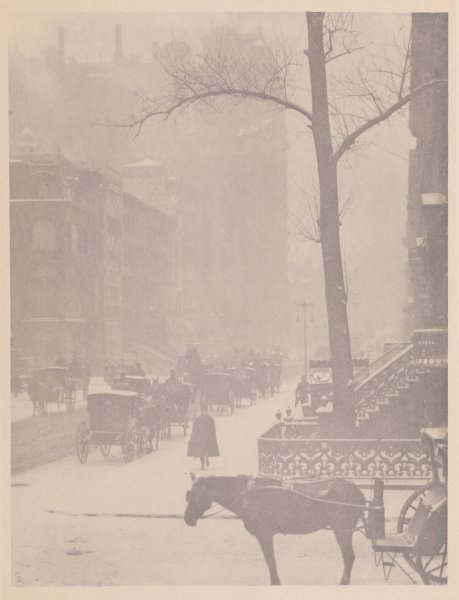
Alfred Stieglitz
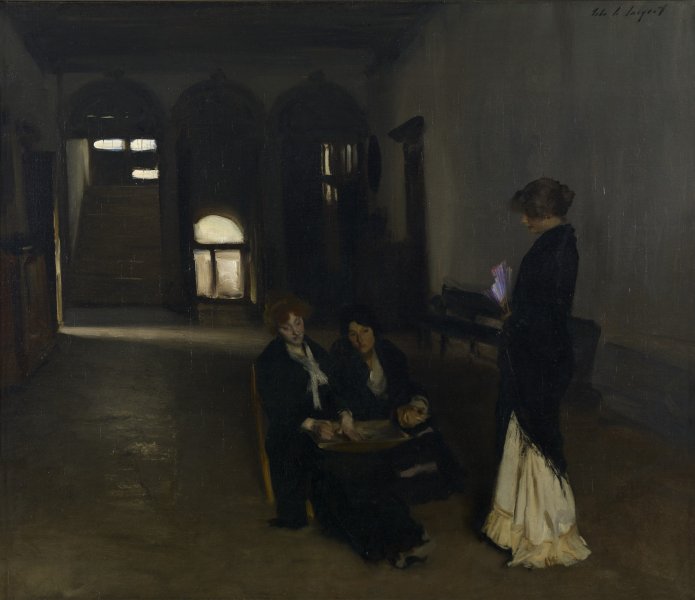
John Singer Sargent
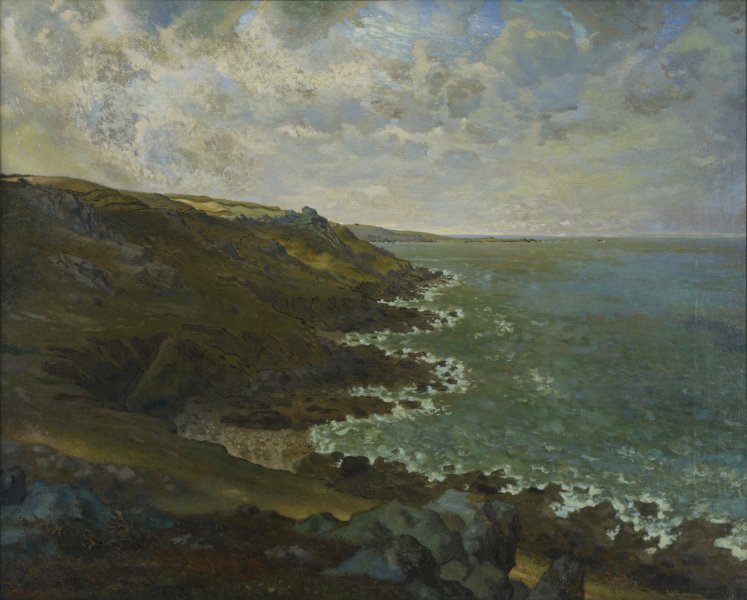
Jean-François Millet
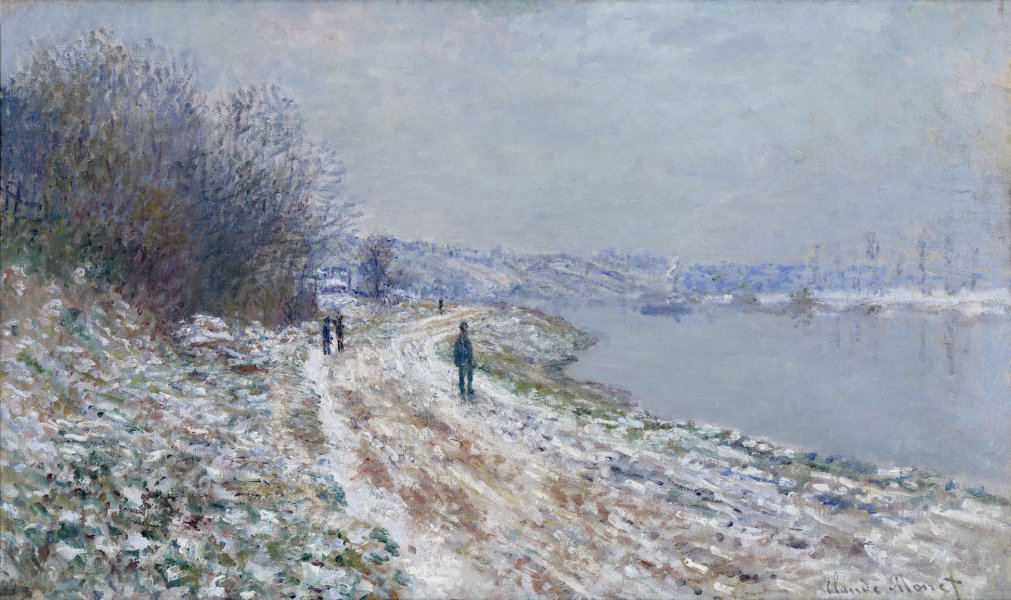
Claude Monet
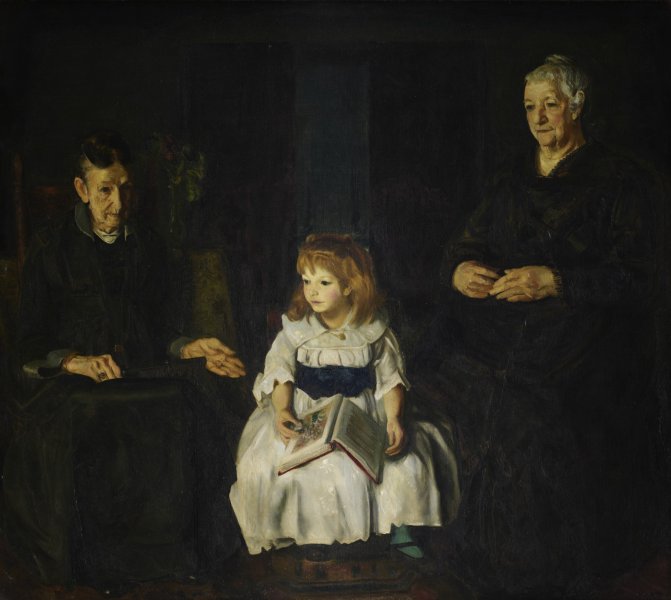
George Wesley Bellows
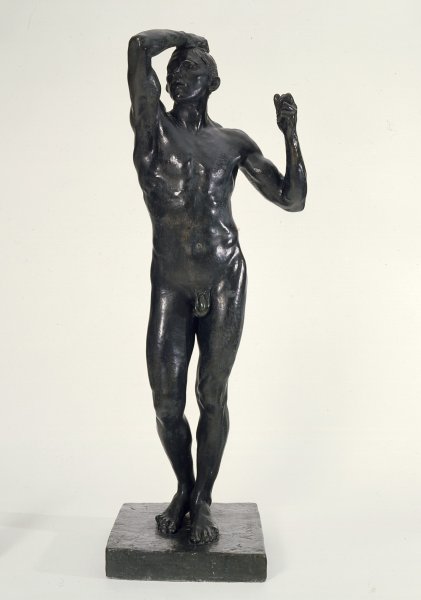
Auguste Rodin
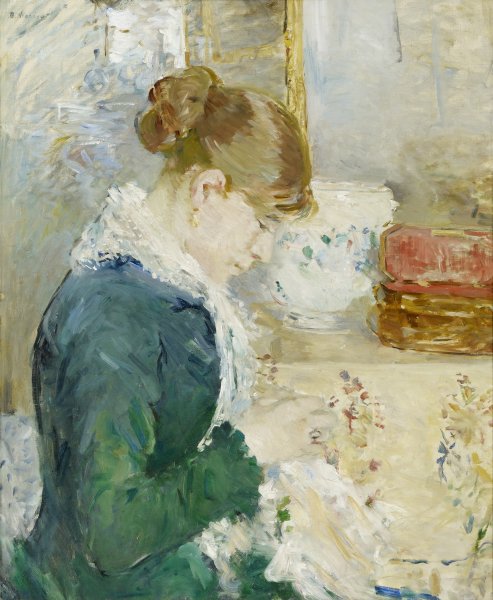
Berthe Morisot
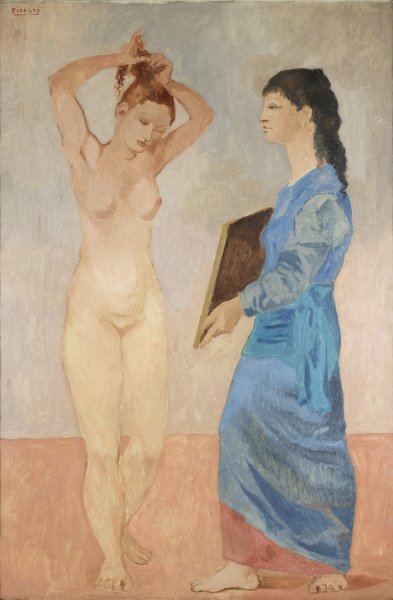
Pablo Picasso
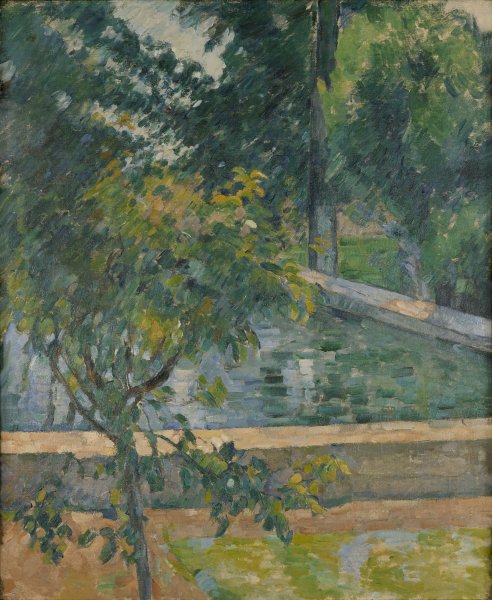
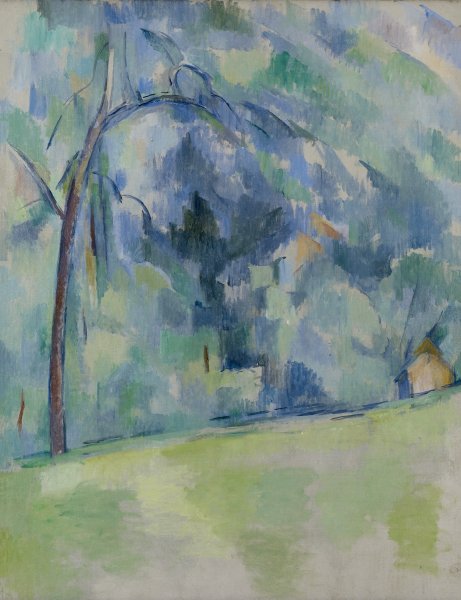
Paul Cézanne
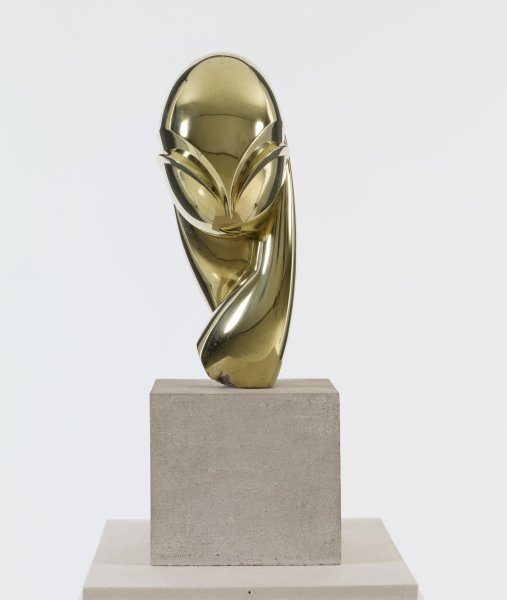
Constantin Brancusi
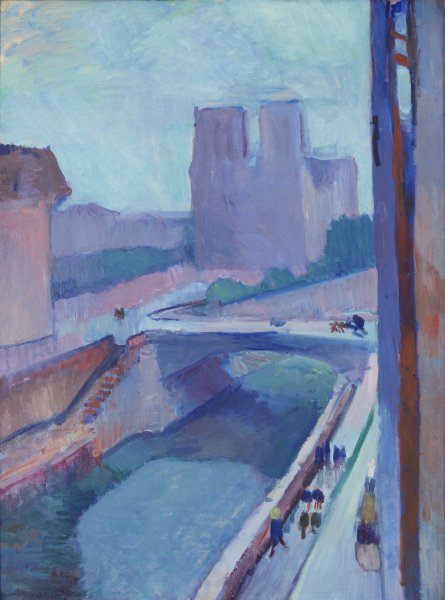
Henri Matisse
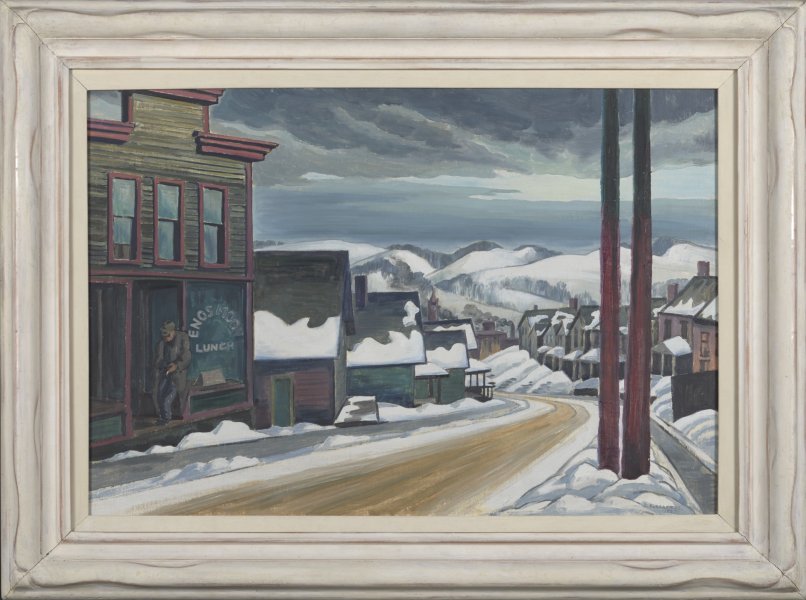
Charles Ephraim Burchfield
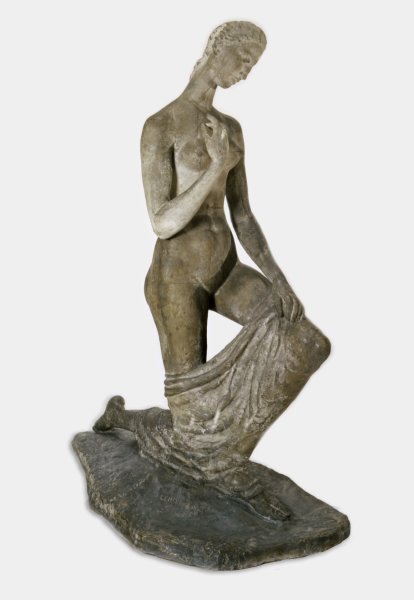
Wilhelm Lehmbruck
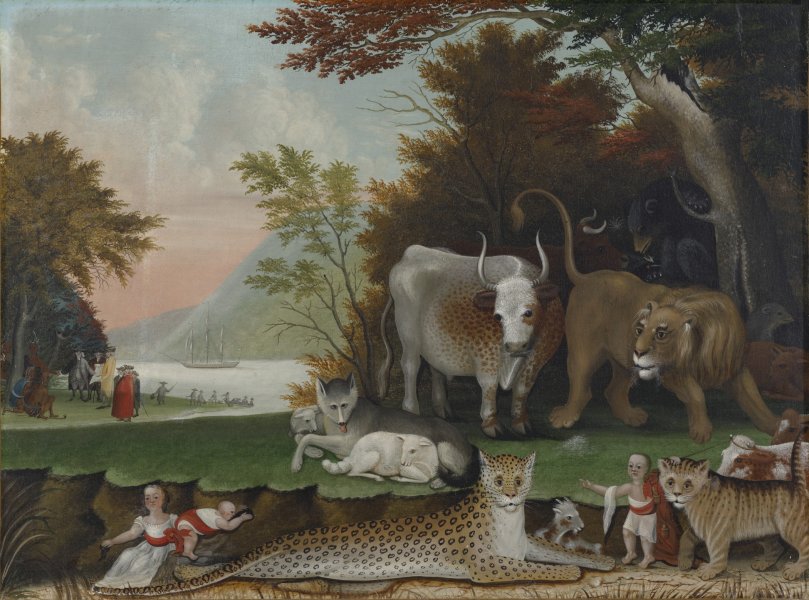
Edward Hicks
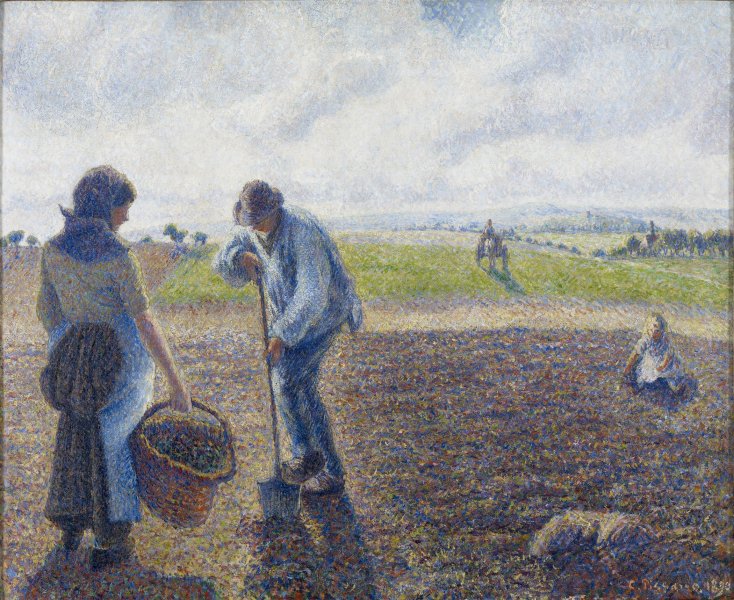
Camille Pissarro
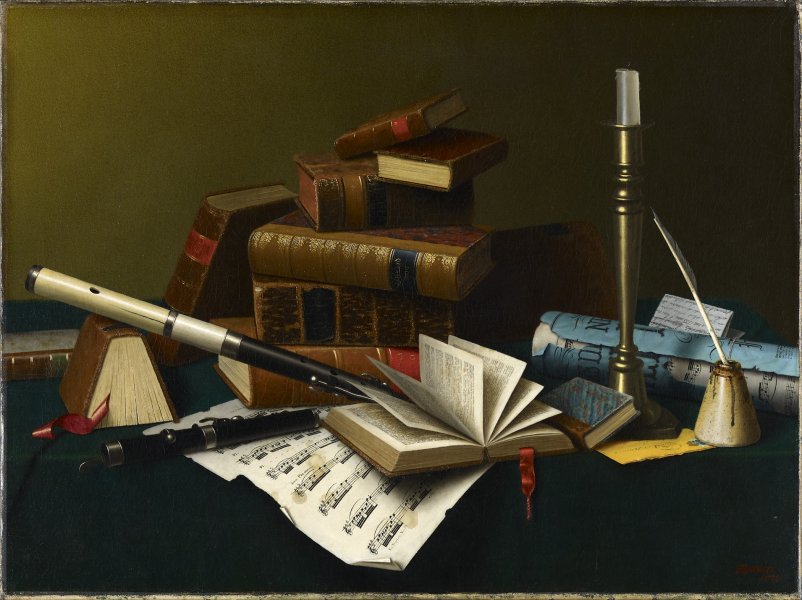
William Michael Harnett
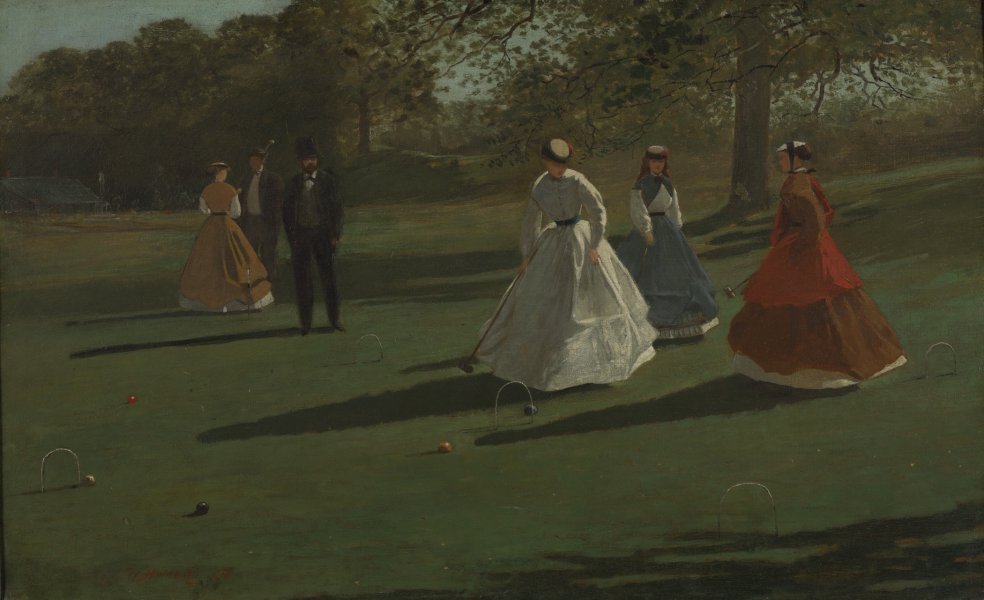
Winslow Homer
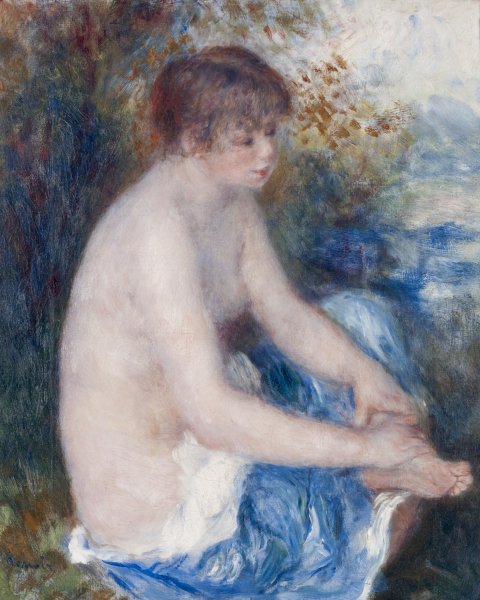
Pierre-Auguste Renoir
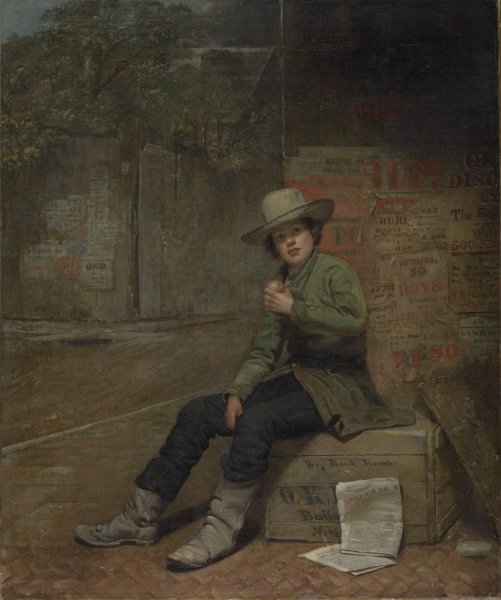
Thomas Le Clear